Creating Images in the Age of AI
As an architect and 3D artist, I spend most of my time translating architectural ideas into images. My work exists between design, storytelling, and atmosphere. Over the past few years/months, the arrival of artificial intelligence has started to reshape how these images are imagined and produced.
The field of architectural visualization is changing rapidly. Artificial intelligence has entered the workflow of artists, studios, and architects around the world. Images can appear in seconds. Entire atmospheres can emerge from a short prompt.
For people outside the field, this can create the impression that the role of the 3D artist is disappearing. From inside the profession, the reality feels different.
A rendering is never only an image of a building. It carries decisions about composition, materiality, light, mood, and narrative. These choices come from architectural understanding as much as from artistic intuition.
AI introduces powerful tools that accelerate certain parts of the process. It can help explore references, generate early mood studies, or test variations of lighting and textures. In that sense, it expands the sketch phase of the work, the moment when ideas are still fluid.
Yet the core of the process remains human. Architecture has constraints. Buildings must be constructed, inhabited, and understood in space. A convincing architectural image requires more than visual plausibility. It requires knowledge of scale, structure, and atmosphere.
This is where the role of the artist evolves rather than disappears.
Instead of replacing craft, AI shifts where the craft lives. The value moves toward direction, interpretation, and intention. The artist becomes a curator of possibilities, guiding the technology toward images that carry meaning.
In my own process, I often see AI as a space for experimentation. It can suggest unexpected atmospheres or visual directions that would not emerge through traditional workflows. Sometimes those accidents open the door to new visual languages.
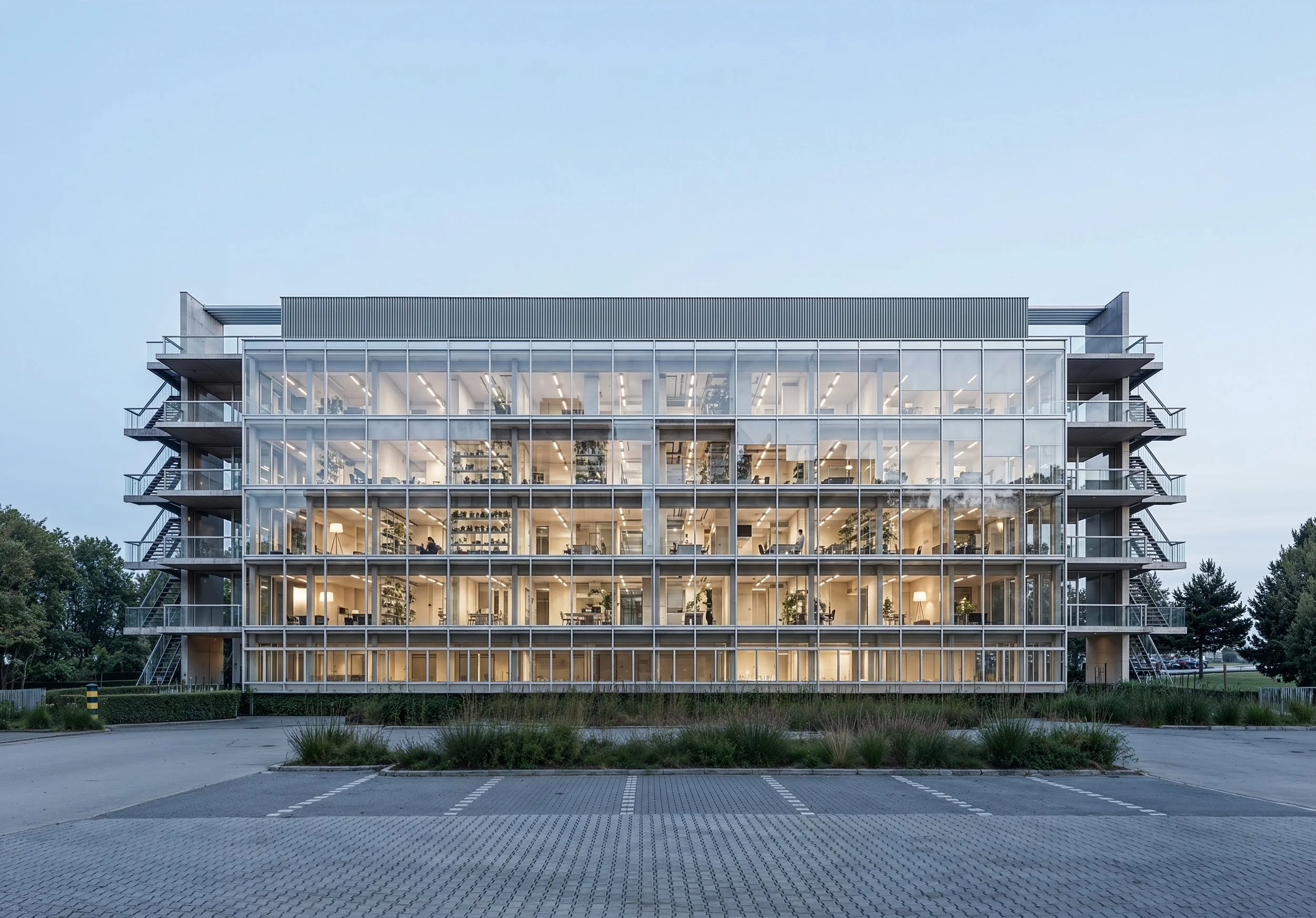
Image created in 3Ds Max, rendered with Vray, refined with Photoshop and Firefly, than enhanced with ComfyUI.
Image animated with Kling AI
At the same time, this transformation raises a larger question about the future of architecture itself. If AI can generate images, concepts, and spatial ideas so quickly, what happens to the role of the architect?
It is possible that artificial intelligence will profoundly change the profession. Many tasks that young architects perform today could become increasingly automated. Early concept generation, layout exploration, facade variations, environmental analysis, and regulatory checks may all become heavily assisted by intelligent systems.
However, architecture is not only about producing forms. Designing a building involves regulations, budgets, structural coordination, and constant dialogue with clients, engineers, and cities. Buildings also carry legal responsibility and long construction timelines. Because of this complexity, the architect’s role is unlikely to disappear. (Yet?).
Instead, it will probably evolve.
Architects may spend less time producing drawings and more time directing processes, defining intentions, and selecting among thousands of possibilities generated by machines. The role could shift from drawing architecture to guiding it.

Image created in 3Ds Max, rendered with Corona, refined with Photoshop and Nano Banana, than enhanced with Manific.ai
Interestingly, architectural visualization is experiencing this transformation earlier than architecture itself. Since the field is deeply connected to image making and atmosphere, AI tools are already reshaping how visual ideas are explored and communicated.
The future of the field will likely be hybrid. Traditional 3D workflows will coexist with AI assisted exploration. The challenge is learning how to combine both without losing the intentionality that gives an image its strength.
Another striking aspect of this moment is the speed. New AI models appear every week, sometimes every day. Each release promises sharper images, better understanding, faster generation. Tools that felt groundbreaking a few months ago quickly become ordinary. The landscape keeps shifting beneath our feet, making it difficult to pause and reflect. It creates a strange atmosphere where the future arrives continuously, in small updates and version numbers, while we are still trying to understand what the previous step actually meant.
Technology has always reshaped creative professions. Photography transformed painting. Digital tools transformed architecture. Artificial intelligence is another step in that long evolution.
The tools will continue to change. What matters is how artists and architects use them to create spaces and images that still feel thoughtful, precise, and deeply human.
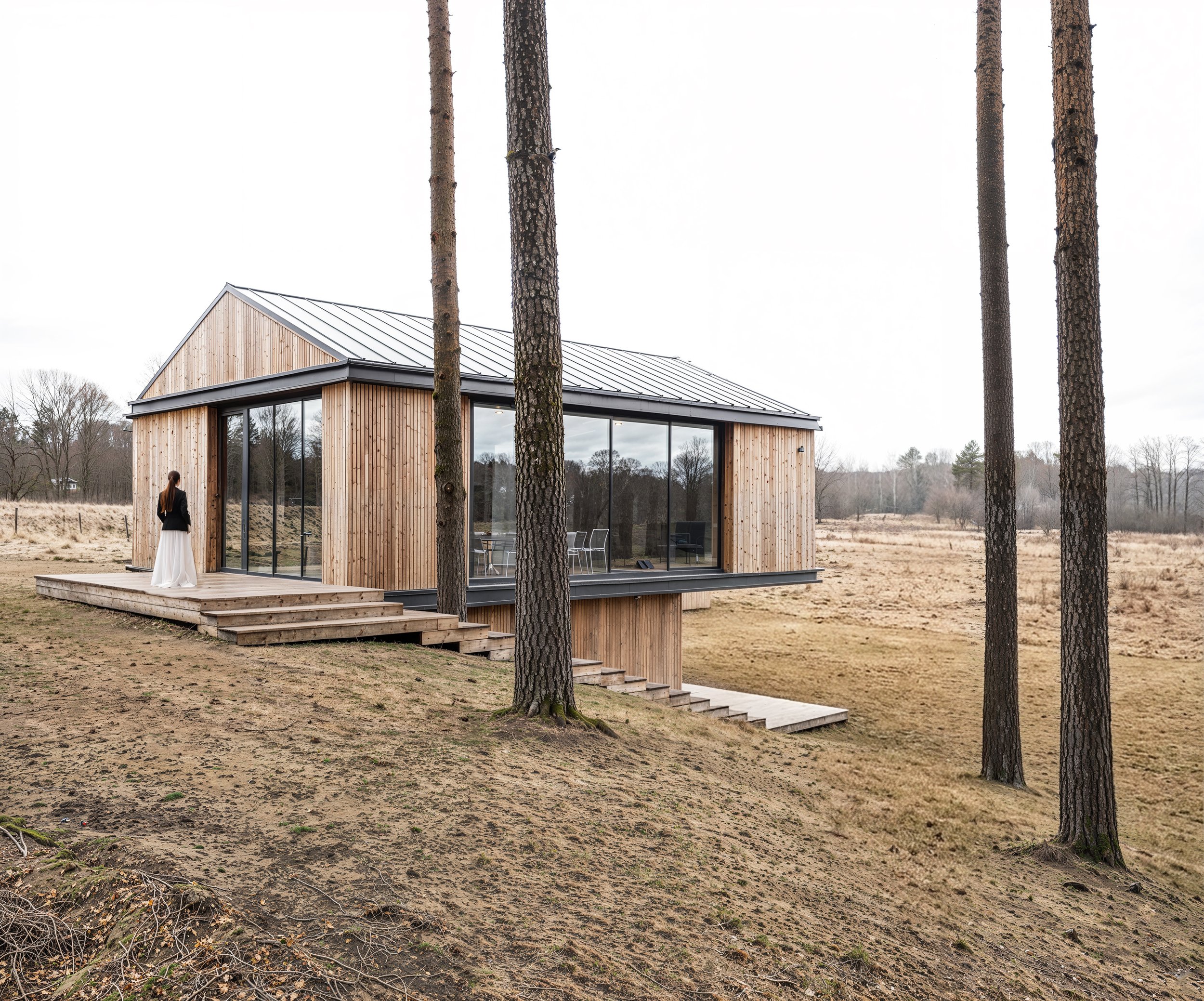
Image created in 3Ds Max, rendered with Vray, refined with Photoshop and Firefly, than enhanced on Manific.ai